
World on Edge: New Threats Emerge
Introduction
Ever feel like you’re watching a suspense movie where the tension just keeps building? That’s kind of what living in the world today feels like. We’re not talking about fictional monsters under the bed; we’re talking about real, tangible threats that are reshaping our world as we know it. From the subtle hum of cyber warfare to the stark realities of climate change, the challenges we face are complex, interconnected, and, frankly, a little daunting.
But before you start picturing a dystopian future, take a breath. Understanding the nature of these threats is the first step to addressing them. So, let’s dive into what’s making the world feel like it’s balanced on the edge of something big.
A Perfect Storm of Uncertainty
What are these “new” threats exactly? They’re not entirely new, of course; many have been simmering for years, even decades. But they’re now reaching a boiling point, amplified by a confluence of factors.
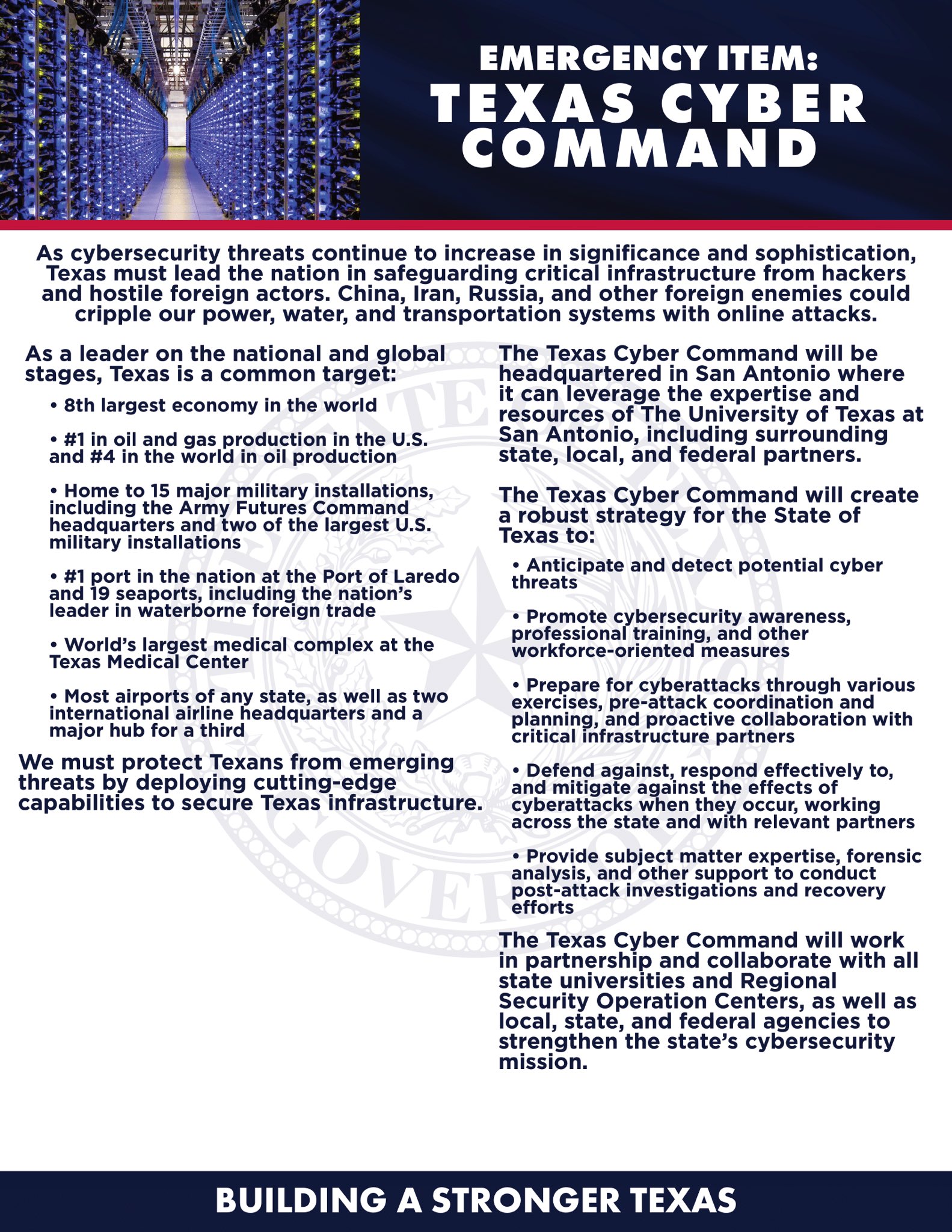
- Cybersecurity Catastrophes: We live in a hyper-connected world, and that’s both a blessing and a curse. Cyberattacks are no longer just about stealing credit card numbers. They’re now targeting critical infrastructure – power grids, water supplies, hospitals – holding entire cities hostage. Look at the ransomware attack that crippled Ireland’s healthcare system in 2021. Millions of patients had their data exposed, and vital services were disrupted for weeks. The short-term impact was chaos; the long-term impact is a chilling reminder of our vulnerability.
- Climate Change Accelerating: This one’s been on the radar for a while, but the urgency is escalating. We’re seeing more frequent and more intense extreme weather events: hurricanes, wildfires, floods, and droughts. Think about the devastating floods in Pakistan in 2022, displacing millions and causing billions of dollars in damage. The short-term devastation is obvious, but the long-term effects – displacement, food insecurity, resource scarcity – will reverberate for generations.
- Economic Instability: Inflation is surging, supply chains are brittle, and geopolitical tensions are creating massive economic uncertainty. This isn’t just about higher prices at the grocery store; it’s about job losses, business closures, and a widening gap between the rich and the poor. We’ve seen how fragile economic systems can be during global crises, and the stakes are only getting higher.
- Geopolitical Fragmentation: International cooperation seems to be fraying at the edges. Conflicts are flaring up in various regions, trade wars are intensifying, and international institutions are struggling to maintain their authority. This leads to instability, distrust, and a weakened ability to address global challenges collectively.
The Rippling Effects: Short-Term and Long-Term Impacts
These threats don’t exist in isolation. They interact and amplify each other, creating a complex web of challenges with both immediate and long-lasting consequences.
- Short-Term: Think immediate disruptions – power outages, food shortages, supply chain bottlenecks, and economic hardship for families. It can involve a surge in cybersecurity incidents, resulting in significant data breaches and financial losses for businesses.
- Long-Term: The consequences become even more profound. Climate change will reshape coastlines, disrupt agriculture, and displace millions of people. Economic instability could lead to social unrest and political polarization. Cybersecurity threats may erode trust in digital technologies, hindering innovation and growth.
Turning the Tide: Practical Solutions for a Safer World
The good news is that we’re not powerless in the face of these challenges. There are practical, actionable steps we can take to mitigate these threats and build a more resilient world.
- Bolstering Cybersecurity Defenses:
- Individuals: Strong passwords, multi-factor authentication, and being cautious about suspicious emails are crucial.
- Businesses: Regular security audits, employee training, and robust incident response plans are essential.
- Governments: Investing in cybersecurity infrastructure, developing international agreements on cyber warfare, and prosecuting cybercriminals.
- Case Study: Estonia, after experiencing a massive cyberattack in 2007, invested heavily in cybersecurity and became a global leader in digital security.
- Accelerating Climate Action:
- Individuals: Reducing carbon footprint by using public transportation, consuming less meat, and investing in energy-efficient appliances.
- Businesses: Transitioning to renewable energy sources, reducing waste, and investing in sustainable practices.
- Governments: Implementing carbon pricing mechanisms, investing in renewable energy infrastructure, and promoting international cooperation on climate change.
- Case Study: Costa Rica generates nearly all of its electricity from renewable sources, demonstrating the potential for a low-carbon economy.
- Strengthening Economic Resilience:
- Individuals: Diversifying investments, building an emergency fund, and acquiring skills that are in high demand.
- Businesses: Diversifying supply chains, investing in automation, and developing innovative products and services.
- Governments: Investing in education and training, supporting small businesses, and promoting international trade agreements.
- Fostering Geopolitical Stability:
- Governments: Engaging in diplomacy, promoting international cooperation, and strengthening international institutions.
- Organizations: Supporting conflict resolution efforts, promoting human rights, and providing humanitarian assistance.
- Individuals: Engaging in civil discourse, promoting understanding, and supporting organizations that work for peace and justice.
A Call to Action: Choose Your Path Forward
We’re not just passive observers in this unfolding drama. We all have a role to play in shaping the future. Here are a few different approaches you can take:
- The Advocate: Use your voice to raise awareness about these issues and advocate for policy changes. Write to your elected officials, participate in public forums, and support organizations working on these issues.
- The Innovator: Develop new technologies and solutions that address these challenges. Start a business, join a research team, or invent a new product.
- The Educator: Share your knowledge and skills with others. Teach a class, mentor a student, or create educational content.
- The Practitioner: Make changes in your own life and community to reduce your impact on the world. Reduce your carbon footprint, support local businesses, and volunteer your time.
The Path Forward: Optimism and Action
The challenges we face are significant, but they are not insurmountable. By understanding the threats, embracing practical solutions, and working together, we can build a more resilient, sustainable, and secure world. The world may feel like it’s on edge, but that also means we’re at a pivotal moment. We have the opportunity to shape the future, to choose a path of progress and collaboration. Let’s embrace that opportunity and work together to create a world we can be proud of.