
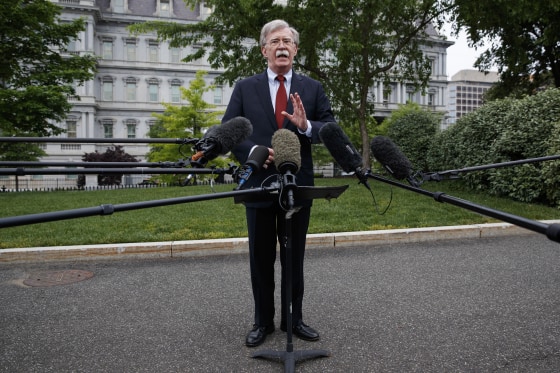
Trump’s Tightrope: Justice, Politics, and a Nation on Edge
Introduction
The air crackles with tension. You can feel it in the conversations around the water cooler, see it in the heated debates online, and sense it in the very pulse of the nation. Donald Trump, a figure who needs no introduction, finds himself walking a tightrope strung high above a landscape of justice, politics, and a deeply divided America. The stakes? Monumental, both for him personally and for the future of the country.
Whether you’re a staunch supporter, a vocal critic, or somewhere in between, you can’t deny the sheer magnitude of the situation. The legal battles, the political maneuvering, and the societal fallout are impacting every corner of American life. But what does it all mean, really? And more importantly, where do we go from here? Let’s dive into the complexities, explore the potential impacts, and, crucially, consider some practical solutions for navigating this turbulent period.
The Tightrope Walk: A Breakdown of the Challenges
Trump’s legal challenges are numerous and varied, ranging from investigations into his business dealings to inquiries surrounding the January 6th Capitol attack. Each legal hurdle represents a significant threat, not only to his personal freedom and financial empire but also to his political ambitions.
Simultaneously, the political landscape remains volatile. The Republican party is grappling with its identity, torn between loyalty to Trump and a desire for a new direction. The Democratic party sees an opportunity but faces its own internal divisions. Independent voters, increasingly disillusioned with partisan gridlock, hold the power to sway elections, but their allegiances are constantly shifting.
The nation, already fractured along ideological lines, is further strained by these events. Trust in institutions – from the media to the justice system – is eroding. The spread of misinformation and disinformation adds fuel to the fire, making it harder than ever to have rational, productive conversations.
Short-Term Tremors, Long-Term Earthquakes
The immediate consequences are already being felt. Political polarization is intensifying, making compromise and consensus-building increasingly difficult. The legal battles consume media attention, diverting focus from other pressing issues like healthcare, education, and climate change. The potential for political violence remains a real concern, fueled by heightened emotions and distrust.
But the long-term impacts are even more profound. The integrity of the justice system is being questioned, potentially undermining the rule of law. The future of democracy itself is at stake, as the events surrounding Trump challenge fundamental principles of accountability and the peaceful transfer of power. International perception of the United States is also being affected, potentially weakening its standing on the global stage. The divisions within the country could become even more entrenched, leading to further instability and social unrest. This isn’t just about one man; it’s about the very fabric of our society.
Finding Solid Ground: Practical Solutions for a Nation on Edge
So, what can be done? How can we navigate this precarious situation and move towards a more stable and unified future? Here are some practical solutions, each offering a different approach to the challenges we face:
- Embrace Critical Thinking and Media Literacy: The first line of defense against misinformation and division is the ability to think critically and evaluate information effectively.
- Actionable Step: Before sharing any news or opinion online, take a moment to verify its source and check its accuracy. Look for corroborating information from reputable news outlets. Consider the source’s potential bias and seek out diverse perspectives.
- Example: Sites like Snopes and PolitiFact are valuable resources for fact-checking. Cultivating the habit of verifying information before sharing it can significantly reduce the spread of misinformation.
- Promote Civil Discourse and Active Listening: Bridging the divide requires a commitment to civil conversation and a willingness to listen to opposing viewpoints.
- Actionable Step: Seek out opportunities to engage in respectful dialogue with people who hold different beliefs. Practice active listening by truly hearing what the other person is saying without interrupting or judging. Focus on finding common ground rather than dwelling on differences.
- Example: Organizations like Braver Angels facilitate workshops and discussions designed to bridge the political divide and promote understanding. Even in everyday conversations, striving for empathy and respectful communication can make a difference.
- Strengthen Civic Education and Engagement: A well-informed and engaged citizenry is essential for a healthy democracy.
- Actionable Step: Support initiatives that promote civic education in schools and communities. Encourage participation in local government and elections. Volunteer for organizations that work to address social issues.
- Example: Programs like Generation Citizen empower young people to become active participants in their communities by teaching them about civic engagement and providing opportunities to advocate for change.
- Support Independent Journalism: A free and independent press is vital for holding power accountable and informing the public.
- Actionable Step: Subscribe to reputable news organizations and support their work. Be wary of relying solely on social media for news, as algorithms can create echo chambers and amplify misinformation.
- Example: Consider supporting local news outlets, which play a crucial role in covering local issues and holding local officials accountable. Organizations like the Committee to Protect Journalists advocate for press freedom worldwide.
- Promote Electoral Reform: Addressing concerns about voter access, campaign finance, and partisan gerrymandering can help restore faith in the electoral process.
- Actionable Step: Advocate for reforms that make it easier for eligible citizens to vote, such as automatic voter registration and same-day registration. Support efforts to reduce the influence of money in politics and create fair and competitive electoral districts.
- Example: States like Oregon and Colorado have implemented automatic voter registration, leading to increased voter turnout. Organizations like FairVote advocate for ranked-choice voting, which can help reduce political polarization.
- Demand Accountability from Leaders: Hold elected officials accountable for their actions and words, regardless of party affiliation.
- Actionable Step: Contact your elected officials to express your views on important issues. Participate in peaceful protests and demonstrations. Support organizations that work to hold leaders accountable for misconduct.
- Example: Citizens can use websites like GovTrack.us to track the voting records of their elected officials and contact them directly to express their concerns.
Alternative Approaches: Tailoring Solutions to Fit
These solutions aren’t one-size-fits-all. Depending on your own beliefs, resources, and sphere of influence, you may find some approaches more appealing or effective than others.
- Focus on Local Action: If national politics feels overwhelming, concentrate on making a difference in your local community. Volunteer for a local charity, attend city council meetings, or support local businesses.
- Embrace Diverse Perspectives: Instead of surrounding yourself with people who agree with you, actively seek out opportunities to engage with those who hold different viewpoints. This can broaden your understanding and challenge your own assumptions.
- Prioritize Self-Care: The current political climate can be stressful and emotionally draining. Make sure to prioritize your own well-being by practicing self-care techniques such as exercise, meditation, and spending time in nature.
- Advocate for Systemic Change: If you believe that fundamental changes are needed, support organizations that are working to address systemic issues such as economic inequality, racial injustice, and climate change.
A Reason for Hope: Taking Action Together
Navigating this challenging period won’t be easy. It requires patience, empathy, and a willingness to engage in difficult conversations. But it’s not impossible. By embracing critical thinking, promoting civil discourse, strengthening civic engagement, and demanding accountability, we can work together to build a more just, equitable, and unified nation.
The tightrope walk may be precarious, but it’s not a dead end. It’s an opportunity to strengthen our democracy, rebuild trust, and create a brighter future for ourselves and generations to come. The power to make a difference lies within each of us. Let’s choose to use it wisely and courageously. Let’s move forward, together, towards solid ground.