
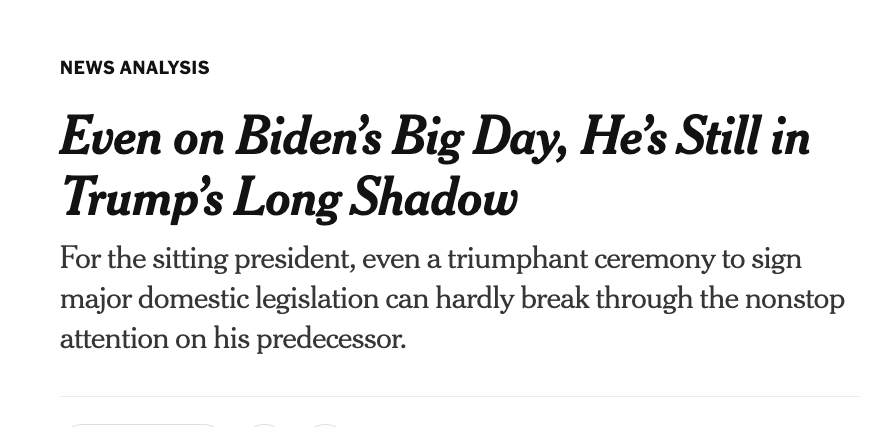
Trump’s Shadow: Today’s Headlines Cast Long Doubts
Introduction
Ever get the feeling you’re living in a sequel? A movie you thought was over, but then BAM! A new trailer drops, and you’re right back in the thick of it? That’s kind of how it feels with the lingering influence of the Trump presidency, isn’t it? It’s like a shadow that just won’t quit, coloring the headlines and shaping the conversations we’re having today.
From policy debates to legal battles, the reverberations of those four years are undeniable. We’re not just talking about partisan squabbles; it’s about the very foundations of our democracy, the norms we thought were unbreakable, and the deep divisions that have been laid bare. Let’s dive into the complexities of this persistent shadow and, more importantly, figure out how to navigate it.
The Short-Term Echoes: A Daily Dose of Deja Vu
The immediate impact is like a constant echo chamber. Every day, we’re confronted with situations that feel ripped straight from the Trump playbook. Whether it’s accusations of “fake news” aimed at discrediting legitimate reporting, challenges to election integrity, or the resurfacing of divisive rhetoric around immigration and social issues, the pattern is unmistakable.
Look at the ongoing legal battles surrounding the January 6th insurrection. The trials, testimonies, and investigations are all directly linked to actions taken during and immediately after Trump’s presidency. These events aren’t just historical footnotes; they’re actively shaping the political landscape, influencing public opinion, and impacting the trust people have in institutions.
Furthermore, the economic consequences are still unfolding. The tax cuts enacted during the Trump administration continue to be a point of contention, with debates raging over their effectiveness and impact on national debt. Trade policies initiated during that period have left a lasting mark on international relations and supply chains, forcing businesses to adapt and consumers to bear the costs.
It’s not just policy, though. The tone and style of political discourse have arguably shifted. The normalization of personal attacks, the proliferation of misinformation, and the erosion of civility – these are all short-term echoes that continue to resonate, making constructive dialogue increasingly difficult.
The Long Game: Shaping the Future We Inherit
But the short-term is just the tip of the iceberg. The long-term consequences are potentially even more profound. We’re talking about a reshaping of the judiciary, with conservative appointments likely to influence legal interpretations for decades to come. We’re talking about a generation of voters who have grown up in an era of intense polarization, where compromise is often seen as weakness.
Consider the Supreme Court. The appointments made during the Trump administration have shifted the court’s ideological balance, leading to landmark decisions on issues like abortion rights, environmental regulations, and voting rights. These decisions will have far-reaching consequences, impacting the lives of millions for generations.
Moreover, the damage to international alliances and the erosion of America’s global standing could take years to repair. The “America First” approach, while appealing to some, alienated key allies and created a vacuum that other nations, like China, have been quick to fill. Rebuilding trust and restoring America’s leadership role on the world stage is a long and arduous process.
Perhaps the most concerning long-term impact is the potential for further democratic backsliding. The events of January 6th served as a stark reminder of the fragility of democratic institutions. The spread of misinformation and the erosion of faith in elections pose a significant threat to the stability and legitimacy of our government. Addressing these challenges requires a sustained and concerted effort to strengthen democratic norms and protect the integrity of the electoral process.
Charting a Course Forward: Practical Solutions for a Troubled Time
Okay, so the picture isn’t exactly rosy. But dwelling on the problems won’t solve them. The question is: what can we do? How can we navigate this persistent shadow and build a more resilient and inclusive future? Here are a few practical solutions to consider:
- Invest in Critical Thinking and Media Literacy: One of the most effective ways to combat misinformation and polarization is to equip individuals with the skills to critically evaluate information. Schools, libraries, and community organizations should offer programs that teach media literacy, fact-checking, and the ability to distinguish credible sources from unreliable ones. For example, organizations like the News Literacy Project provide resources and training for educators to help students become informed and engaged citizens.
- Support Local Journalism: In an era of shrinking newsrooms and the dominance of social media, local journalism plays a crucial role in holding power accountable and providing communities with accurate information. Supporting local news outlets through subscriptions, donations, and active engagement can help ensure that diverse perspectives are represented and that important issues are covered.
- Promote Civic Engagement: Democracy is not a spectator sport. It requires active participation from citizens at all levels. Encourage voter registration, participate in local elections, attend town hall meetings, and engage in respectful dialogue with people who hold different views. The more engaged citizens are, the more responsive elected officials will be to their needs and concerns.
- Reform Campaign Finance Laws: The influence of money in politics is a major driver of polarization and gridlock. Reforming campaign finance laws to limit the role of large donors and increase transparency can help level the playing field and ensure that elected officials are accountable to their constituents, not just special interests. For instance, publicly financed elections could provide a viable alternative to the current system.
- Strengthen Democratic Institutions: This includes protecting voting rights, ensuring fair elections, and safeguarding the independence of the judiciary. Congress should pass legislation to protect voters from disenfranchisement, prevent partisan gerrymandering, and ensure that all citizens have equal access to the ballot box. The judiciary should be insulated from political pressure, and judges should be appointed based on their qualifications and integrity, not their political affiliation.
- Foster Dialogue and Empathy: One of the biggest challenges we face is the increasing polarization of our society. To bridge the divide, we need to foster dialogue and empathy. Create opportunities for people with different views to come together, listen to each other, and find common ground. This can happen in community organizations, schools, workplaces, and even online forums. The goal is to create a more inclusive and understanding society where people can disagree without being disagreeable.
Alternative Approaches: Tailoring Solutions to Your Context
Not every solution will work for everyone. The beauty of a complex problem is that it invites diverse approaches. Here are a few alternative strategies to consider:
- Focus on Local Action: National politics can feel overwhelming and distant. Focus on what you can control at the local level. Volunteer for a local charity, run for school board, or start a community garden. Small acts of civic engagement can have a big impact.
- Support Organizations Working on Systemic Change: Many organizations are working to address the root causes of polarization and inequality. Support their efforts through donations, volunteering, or advocacy. Organizations like the ACLU, the Brennan Center for Justice, and Common Cause are working to protect civil liberties, promote voting rights, and reform campaign finance laws.
- Engage in Constructive Conversations: Don’t shy away from difficult conversations. Engage in respectful dialogue with people who hold different views. Listen to their perspectives, ask questions, and try to find common ground. Even if you don’t change their minds, you may learn something new and build bridges.
The Path Forward: Optimism and Action
Yes, the shadow of the past is long, and the challenges are significant. But we are not powerless. We have the ability to shape our future, to build a more just and equitable society. It requires courage, resilience, and a willingness to work together.
Remember, history is not predetermined. It is shaped by the choices we make every day. By investing in critical thinking, supporting local journalism, promoting civic engagement, reforming campaign finance laws, strengthening democratic institutions, and fostering dialogue and empathy, we can create a brighter future for ourselves and generations to come.
So, let’s not be paralyzed by the shadows. Let’s use them as a reminder of what’s at stake and as motivation to take action. The future is not something that happens to us; it’s something we create. Let’s create a future that is worthy of our ideals. Let’s get to work.