
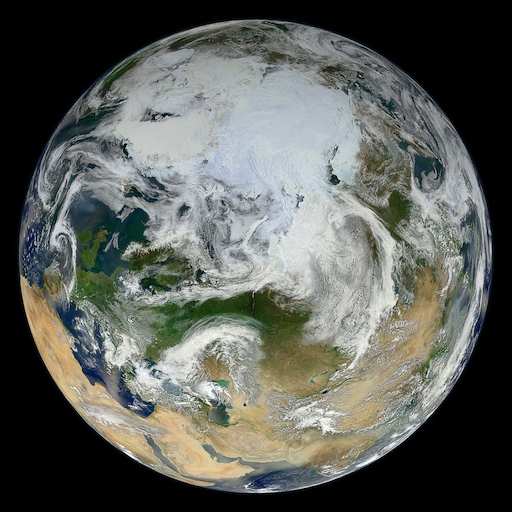
The World. Now.
Introduction
Ever feel like you’re strapped into a rocket ship accelerating through a maze of constant updates, breaking news, and game-changing innovations? You’re not alone. The world is changing at warp speed, and trying to make sense of it all can feel overwhelming. We’re bombarded with information, facing complex challenges, and asked to adapt at a rate that can leave us breathless. So, what’s really going on? And more importantly, what can we do about it?
Let’s take a deep breath and dive into the present, not just to understand the problems swirling around us, but to find practical pathways towards a better future. This isn’t about doom and gloom; it’s about empowerment and action.
The Double-Edged Sword: Connectivity and its Consequences
One of the biggest forces shaping “The World. Now.” is, unsurprisingly, technology. The internet has shrunk the planet, connecting us in ways unimaginable just a few decades ago. This hyper-connectivity has fueled incredible progress. Think global collaboration on scientific breakthroughs, access to education for millions, and the ability to instantly share information and ideas.
However, this same connectivity casts a long shadow. The short-term impacts are often the most visible: the spread of misinformation, the rise of cybercrime, and the erosion of privacy. We see it in our news feeds, in our social media interactions, and sometimes, even in our bank accounts. These are the immediate fires we’re constantly fighting.
But the longer-term consequences are even more profound. The relentless pressure for instant gratification online fuels shorter attention spans and a craving for validation. The constant comparison to curated online personas can lead to anxiety and depression, especially among young people. And the increasing sophistication of algorithms risks trapping us in echo chambers, reinforcing our existing beliefs and making meaningful dialogue across divides increasingly difficult. The very tools designed to connect us can, paradoxically, isolate us.
Environmental Imperative: Our Planet’s Plea
Beyond the digital realm, the physical world is sending out increasingly urgent signals. Climate change is no longer a distant threat; it’s a present-day reality. From devastating wildfires in California to record-breaking heatwaves in Europe and unprecedented flooding in Asia, the consequences of our actions are becoming tragically clear.
In the short term, we see the displacement of communities, the disruption of supply chains, and the increasing strain on emergency services. The cost of inaction is measured in lives lost and economies shattered.
Looking further ahead, the long-term impacts are even more terrifying. Rising sea levels threaten coastal cities and island nations. Food security is jeopardized by changing weather patterns and declining biodiversity. The competition for dwindling resources could fuel conflict and instability.
The environmental challenge is daunting, but it’s not insurmountable. It requires a fundamental shift in our thinking, moving away from a model of endless consumption and towards a sustainable and regenerative economy.
Navigating the Now: Practical Solutions for a Brighter Future
So, what can we do? How can we navigate the complexities of “The World. Now.” and build a better future for ourselves and for generations to come? The answer lies in embracing a multi-faceted approach that combines individual action with collective responsibility.
Here are some practical solutions:
- Cultivate Critical Thinking: In an age of information overload, the ability to discern fact from fiction is paramount. Actively seek out diverse perspectives, question your own biases, and be wary of anything that confirms your existing beliefs too easily. Fact-checking websites like Snopes and PolitiFact can be invaluable tools. Consider taking online courses on media literacy or critical thinking.
- Example: Instead of blindly sharing a sensational news article on social media, take a moment to verify the source and check for any evidence of bias.
- Digital Detox and Mindful Technology Use: Disconnecting from the digital world, even for short periods, can have a profound impact on our mental well-being. Set boundaries for technology use, practice mindful scrolling, and prioritize real-life interactions. Explore apps designed to limit screen time or promote digital wellbeing.
- Example: Dedicate specific times of the day to checking emails and social media, rather than constantly being connected. Designate phone-free zones in your home, like the bedroom or dining table.
- Embrace Sustainable Living: Small changes in our daily lives can collectively make a big difference. Reduce your carbon footprint by conserving energy, reducing waste, and making conscious consumption choices. Support businesses committed to sustainability and advocate for policies that promote environmental protection.
- Example: Switch to reusable shopping bags, water bottles, and coffee cups. Choose public transportation or cycling whenever possible. Buy locally sourced food to reduce transportation emissions.
- Invest in Education and Skills Development: The world of work is changing rapidly, driven by automation and technological advancements. Invest in continuous learning to stay relevant and adaptable. Develop skills in areas like data analysis, critical thinking, and communication, which are highly valued in the modern economy.
- Example: Take online courses in coding, data analytics, or project management. Attend workshops or seminars to enhance your professional skills. Network with people in your industry to learn about emerging trends and opportunities.
- Engage in Civic Action: Be an active participant in your community and democracy. Support organizations working to address social and environmental challenges. Advocate for policies that promote equality, justice, and sustainability.
- Example: Volunteer your time with a local charity. Write to your elected officials to express your views on important issues. Participate in peaceful protests or demonstrations to advocate for change.
- Cultivate Empathy and Connection: In a world that often feels divided, it’s more important than ever to build bridges and foster understanding. Listen to different perspectives, challenge your own assumptions, and seek out opportunities to connect with people from diverse backgrounds.
- Example: Engage in conversations with people who hold different political views. Volunteer at a homeless shelter or soup kitchen. Participate in community events that celebrate diversity.
Case Studies in Action
- The Ocean Cleanup: This non-profit organization is developing advanced technologies to remove plastic pollution from the oceans. Their innovative solutions offer a tangible path towards addressing one of the most pressing environmental challenges.
- Khan Academy: This free online learning platform provides access to education for millions of people around the world, empowering individuals to develop new skills and improve their lives.
- Greta Thunberg and the Youth Climate Movement: This global movement, led by young people, has galvanized public awareness and political action on climate change, demonstrating the power of collective action.
A Call to Action: Shaping the Future, Today
“The World. Now.” presents us with both challenges and opportunities. It demands that we be informed, engaged, and proactive. By cultivating critical thinking, embracing sustainable practices, investing in education, and fostering empathy, we can navigate the complexities of the present and build a brighter future for ourselves and for generations to come.
This isn’t about waiting for someone else to solve the problems; it’s about taking ownership and becoming agents of change in our own lives and communities. It’s about recognizing that even small actions, when multiplied across millions of individuals, can create a powerful force for good.
The future isn’t something that happens to us; it’s something we create. Let’s embrace the challenge, seize the opportunities, and work together to build a world that is more just, sustainable, and equitable for all. The time to act is now. The world is waiting.