
Movie Websites: Are They Dead or Just Evolving?
Introduction
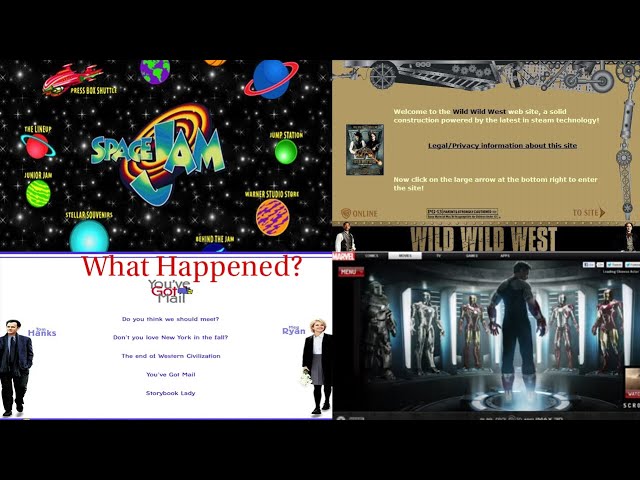
Remember the thrill of rushing home after seeing a movie trailer, firing up your dial-up modem (yes, dial-up!), and hitting the official movie website? You’d pore over behind-the-scenes photos, watch exclusive clips, download desktop wallpapers, and maybe even take a personality quiz to see which character you were most like. It was all part of the complete movie experience.
But let’s be honest, when was the last time *you* actively visited an official movie website? In a world saturated with streaming services, social media explosions, and instantaneous information, are these once-essential digital destinations becoming relics of a bygone era? Are movie websites dead, or are they simply undergoing a metamorphosis?
The Rise and Fall (…and Potential Resurrection?)
In their heyday, movie websites were *the* place to be for film information. They served as a centralized hub, directly controlled by the studio, allowing them to cultivate hype and engage with fans on their own terms. Think back to the elaborate Flash-based sites for films like “The Matrix” or “Lord of the Rings” – they were groundbreaking and immersive, offering experiences you couldn’t find anywhere else.
However, the landscape shifted dramatically. The rise of social media, particularly platforms like Twitter, Instagram, and TikTok, gave studios a direct line to their audience, bypassing the need for a dedicated website. Why invest in building and maintaining a complex site when you can drop a trailer on YouTube and instantly reach millions?
Furthermore, aggregate sites like IMDb, Rotten Tomatoes, and Metacritic became the go-to sources for information. Users could find cast lists, reviews, trailers, and more, all in one convenient location. Suddenly, the official movie website felt a little… redundant.
The Short-Term and Long-Term Impacts
The decline of movie websites has both short-term and long-term consequences. In the short term, studios are missing out on the opportunity to cultivate a truly dedicated fanbase and control the narrative surrounding their films. While social media is great for reaching a broad audience, it often lacks depth and doesn’t allow for the same level of curated content.
The long-term impact is more insidious. Without a strong online presence directly controlled by the studio, the historical record of a film becomes fragmented and dispersed across various platforms. This can lead to misinformation, inaccurate representation, and a loss of control over the film’s legacy. Think about trying to piece together the history of a classic film solely through fragmented social media posts – it’s a daunting, and often unreliable, task.
So, What’s the Solution? Evolving, Not Extinct.
The good news is that movie websites aren’t necessarily dead; they just need to evolve. They can’t simply be static pages filled with trailers and cast bios. They need to offer something unique and valuable that other platforms can’t provide. Here mahjong333 login slot are some practical solutions to breathe new life into these digital spaces:
- Focus on Exclusive Content and Behind-the-Scenes Access:This is perhaps the most obvious, but also the most crucial. Forget the generic press releases and trailers; give fans what they crave: exclusive content they can’t find anywhere else. This could include:
- Deleted scenes: Offering a glimpse into the creative process and alternate versions of key moments.
- Behind-the-scenes documentaries: Showcasing the making of the film, from pre-production to post-production.
- Interviews with cast and crew: Providing insights into the characters, the story, and the filmmaking process.
- Interactive 360° sets: Allowing fans to explore the film’s world in a virtual environment.
Example: Look at the marketing for Denis Villeneuve’s “Dune.” While social media hyped the film, the official website featured stunning production stills, detailed information on the world-building, and early access to concept art. This catered to hardcore fans eager to delve deeper into the intricacies of Arrakis.
- Embrace Gamification and Interactive Experiences:Turn the website into a playground for fans. Integrate games, quizzes, and interactive elements that encourage engagement and reward participation.
- Character quizzes: Help fans discover which character they resonate with most.
- Trivia games: Test their knowledge of the film and its universe.
- AR filters: Let users create their own movie-themed content.
- Virtual escape rooms: Present them with puzzles and challenges based on the film’s plot.
Example: The “Ready Player One” website was a masterclass in gamification. It included a scavenger hunt with real-world prizes, online challenges inspired by the film’s pop culture references, and interactive experiences that brought the OASIS to life.
- Build a Community and Foster Discussion:Movie websites can become vibrant communities where fans can connect, share their thoughts, and express their passion for the film.
- Forums and discussion boards: Create spaces for fans to discuss theories, analyze characters, and share fan art.
- Live Q&A sessions with cast and crew: Allow fans to interact directly with the people who made the film.
- Fan art galleries: Showcase the creativity of the fanbase and encourage participation.
- Contests and giveaways: Reward fans for their engagement and loyalty.
Example: The website for “Star Wars” has always fostered a strong sense of community, with forums, fan clubs, and official events that bring fans together from around the world.
- Optimize for Mobile and User Experience:In today’s mobile-first world, a clunky, outdated website is a death sentence. Ensure the website is responsive, mobile-friendly, and easy to navigate.
- Clean and intuitive design: Make it easy for users to find what they’re looking for.
- Fast loading times: Nobody wants to wait around for a page to load.
- Seamless integration with social media: Allow users to easily share content across platforms.
- Accessibility features: Ensure the website is accessible to users with disabilities.
- Embrace Web3 Technologies (Carefully):While still nascent, Web3 technologies like NFTs and DAOs offer potential for revolutionizing the way fans engage with movies. Imagine owning a limited-edition NFT that grants access to exclusive content or participating in a decentralized autonomous organization that helps shape the future of a film franchise.
- NFTs for exclusive content: Offer limited-edition NFTs that unlock behind-the-scenes footage, concept art, or early access to trailers.
- DAOs for fan participation: Allow fans to vote on key decisions related to the film’s marketing, merchandise, or even future storylines.
Example: Although still in its early stages, the use of NFTs to promote independent films is gaining traction. Some filmmakers are using NFTs to fund their projects and reward early supporters with exclusive access to content.
Alternative Approaches: The Hybrid Model
Another approach is to move away from the traditional standalone website and integrate movie-specific content into existing platforms. This could involve:
- Dedicated sections on streaming services: Netflix, Disney+, and other streaming platforms could create dedicated hubs for specific films, featuring exclusive content and behind-the-scenes information.
- Interactive social media experiences: Use augmented reality filters, interactive polls, and other engaging features to create immersive experiences on platforms like Instagram and TikTok.
- Partnerships with fan communities: Collaborate with existing fan communities to create exclusive content and events for their members.
The Takeaway: A Bright Future for Movie Engagement
The future of movie websites isn’t about clinging to outdated models; it’s about embracing innovation and adapting to the evolving needs of audiences. By focusing on exclusive content, interactive experiences, community building, and user-friendly design, movie websites can once again become valuable destinations for film fans.
It’s time for studios to see movie websites not as a chore, but as an opportunity to build stronger relationships with their audience and cultivate a lasting legacy for their films. The tools are there; the creativity is there. All that’s needed is the willingness to evolve. So, let’s not mourn the death of the movie website, but celebrate its potential rebirth as a dynamic, engaging, and indispensable part of the movie experience. It’s time to take action and reclaim the narrative, one interactive experience at a time.