
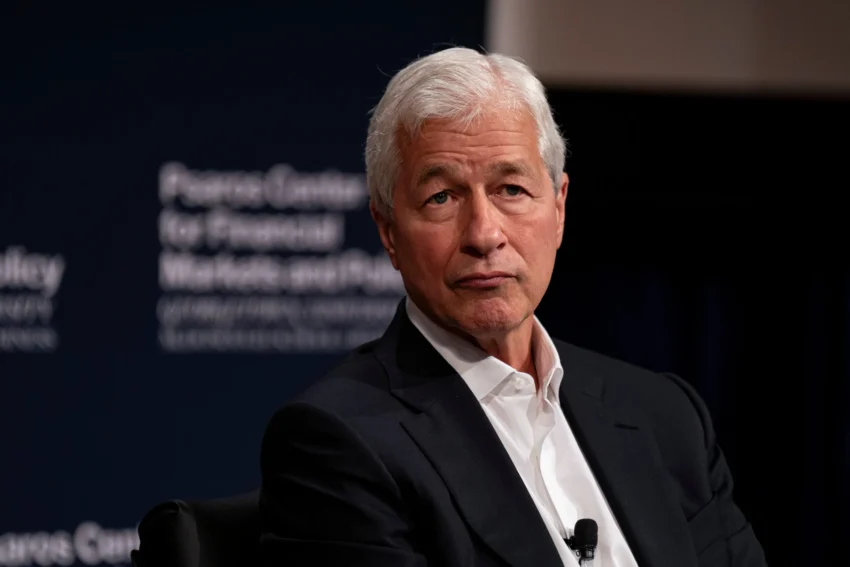
In a recent statement that has reverberated through financial circles, Jamie Dimon, the chairman and CEO of JPMorgan Chase, raised critical questions about the growing trend of public funds investing in private equity and venture capital. His remarks underscore concerns regarding transparency, accountability, and the long-term implications of these investment strategies for taxpayers and public sector stakeholders.
The Context of Dimon’s Statement
Dimon’s comments come at a time when public pension funds are increasingly allocating a significant portion of their assets to private investments, drawn by the allure of higher returns. According to recent data, public pension funds in the United States have allocated over $500 billion to private equity, with many viewing these investments as essential to meeting their long-term obligations to retirees.
However, Dimon cautioned that the trend could pose risks not only to the funds themselves but also to the broader financial ecosystem. “There is a lack of transparency in how these investments are managed and the risks involved,” he stated. His remarks reflect growing concern among financial leaders about the potential consequences of this shift.
The Risks of Private Investments
- Lack of Transparency: One of the primary concerns surrounding public funds’ investments in private equity is the opacity of these markets. Unlike publicly traded companies, private equity firms do not disclose detailed financial information, making it challenging for investors to assess the risks associated with these investments. Dimon emphasized that public funds need to demand greater transparency from private equity firms to ensure informed decision-making.
- Alignment of Interests: Dimon also pointed out the potential misalignment of interests between private equity managers and public fund beneficiaries. Private equity firms typically charge high management fees and performance incentives, which may not always align with the best interests of public fund investors. This misalignment can lead to scenarios where the short-term gains of private equity managers do not translate into long-term benefits for public fund stakeholders.
- Market Volatility: As seen in recent years, private investments can be subject to significant market volatility, raising concerns about the stability of public funds that allocate substantial resources to these assets. Dimon cautioned that public pension funds must carefully consider their exposure to private equity and ensure they are prepared for potential downturns.
The Need for Accountability
In light of these concerns, Dimon called for greater accountability and regulatory scrutiny of public funds’ private investments. He suggested that policymakers and financial regulators need to establish clearer guidelines for public pension funds to ensure that they are making sound investment decisions that prioritize the interests of beneficiaries.
- Enhanced Due Diligence: Dimon emphasized the importance of robust due diligence processes for public funds considering private investments. This includes thorough assessments of potential investments, ongoing monitoring, and a clear understanding of the associated risks.
- Stronger Governance Structures: Establishing stronger governance frameworks for public pension funds can help ensure that investment decisions are made transparently and in alignment with beneficiaries’ interests. This may involve implementing independent oversight mechanisms and engaging with stakeholders to gather input on investment strategies.
The Broader Implications
Dimon’s comments also reflect a broader discussion about the role of private equity in the financial landscape and the implications for public funds. As public pension funds increasingly turn to alternative investments to meet their financial obligations, the debate over transparency, accountability, and risk management will likely intensify.
Moreover, the potential impact on taxpayers cannot be overlooked. Public funds are essentially responsible for safeguarding the retirement savings of public sector employees, and any missteps in investment strategies could have serious consequences for both the funds’ beneficiaries and taxpayers who may be called upon to make up any shortfalls.
Conclusion
Jamie Dimon’s questioning of public funds’ private investments highlights the need for greater transparency, accountability, and prudent risk management in the realm of public pension fund investments. As public funds continue to explore alternative investment strategies in search of higher returns, the financial community must engage in critical discussions about the implications of these decisions for beneficiaries and taxpayers alike. By prioritizing transparency and aligning interests, public funds can navigate the complexities of private investments while ensuring the long-term sustainability of retirement systems for public sector employees.