
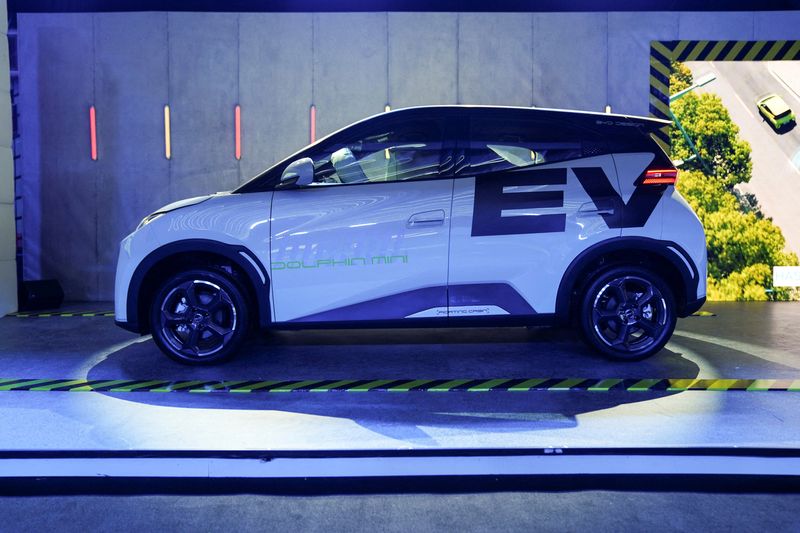
In a developing story that underscores the complexities of international trade relations, Chinese and European Union (EU) officials are set to resume discussions following the EU’s recent ruling concerning Chinese electric vehicles (EVs). The decision has sparked significant debate and reflects broader concerns about the competitive landscape in the burgeoning global EV market.
Background on the EU’s Ruling
The EU’s ruling on Chinese EVs is part of an ongoing investigation into whether these vehicles are benefiting from unfair subsidies, which could give them a competitive advantage over European manufacturers. The bloc is particularly concerned about the potential impact on local industries, as the demand for electric vehicles continues to rise amid a global push for greener transportation solutions.
The EU has initiated measures to ensure that the EV market remains fair and competitive, which includes considering tariffs and other trade barriers against Chinese imports. This ruling has been met with mixed reactions from various stakeholders, including automotive manufacturers, policymakers, and environmental groups.
Response from China
In response to the EU’s actions, Chinese state media reported that a team of Chinese officials will engage in continued discussions with their European counterparts. This dialogue aims to address the concerns raised by the EU while promoting collaboration in the EV sector. Chinese authorities have expressed their commitment to fair trade practices and have emphasized the importance of maintaining open lines of communication to resolve issues.
China is the world’s largest market for electric vehicles, and its manufacturers are rapidly expanding their presence in Europe. The Chinese government has been actively supporting the domestic EV industry through various initiatives, including subsidies and investments in research and development. As a result, the EU’s ruling has significant implications not only for trade relations but also for the future of the global EV market.
The Importance of Continued Dialogue
The upcoming discussions between China and the EU are critical for several reasons. First, they provide an opportunity to address misunderstandings and explore avenues for cooperation in the EV sector. Both parties stand to benefit from a collaborative approach, particularly as they strive to meet climate goals and transition to sustainable transportation solutions.
Second, the dialogue could serve as a platform to discuss broader trade issues beyond electric vehicles. With rising tensions in global trade, maintaining constructive communication between major economies like China and the EU is essential for fostering stability and cooperation.
Implications for the Automotive Industry
The outcome of these talks could have far-reaching consequences for the automotive industry on both sides. If the EU imposes tariffs or trade barriers against Chinese EVs, it could significantly impact the pricing and availability of electric vehicles in the European market. Conversely, a resolution that promotes cooperation could lead to increased investments and partnerships in the EV sector, benefiting both Chinese manufacturers and European automakers.
As the global demand for electric vehicles continues to grow, the importance of fair competition cannot be overstated. Both China and the EU play pivotal roles in shaping the future of the automotive industry, and their collaboration could lead to advancements in technology, infrastructure, and sustainable practices.
Conclusion
The continuation of talks between China and the EU following the bloc’s ruling on Chinese electric vehicles reflects the complexities of international trade and the importance of dialogue in resolving disputes. As both parties navigate the challenges of the global EV market, cooperation will be essential in fostering a fair and competitive landscape. The outcome of these discussions could significantly impact the future of electric vehicles and trade relations between two of the world’s largest economies. As the world moves towards a greener future, the stakes are high, and the need for collaboration has never been greater.