
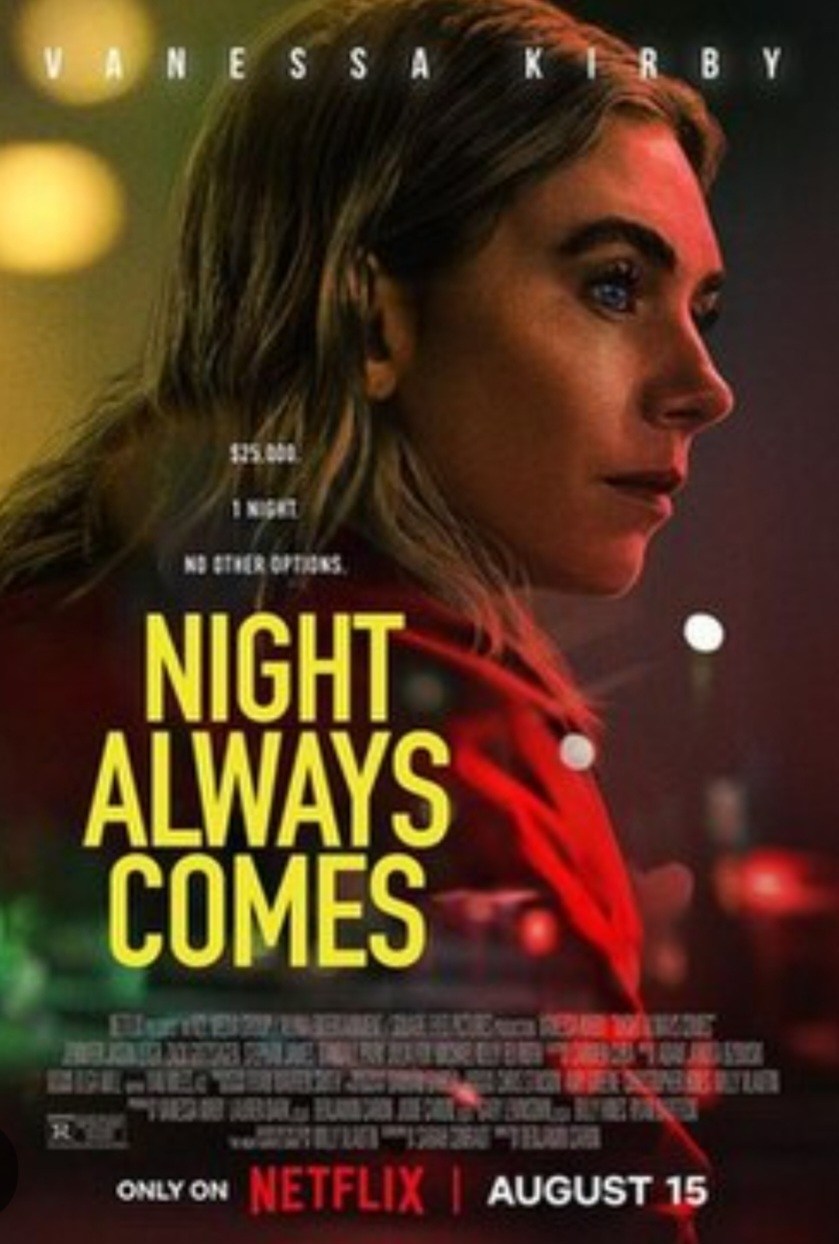
Lights, Camera, Crisis: Are Recent Movies Worth Watching?
Introduction
Ever feel like you’re scrolling through streaming services, endlessly searching for something, anything, that doesn’t feel like a rehash or a creatively bankrupt cash grab? You’re not alone. The question “Are recent movies worth watching?” is echoing more loudly than ever, and it’s a question that goes far beyond simple entertainment value. We’re talking about the health of the film industry itself.
The modern cinematic landscape feels… shaky. Blockbusters are increasingly reliant on tired formulas and nostalgia bait, while original stories struggle to break through the noise. It’s not just a gut feeling; industry trends are reflecting this unease. Box office numbers are increasingly concentrated on a few tentpole releases, leaving smaller, potentially more innovative films struggling to find an audience. Critical reception is often lukewarm, and online discussions are dominated by debates over franchise fidelity rather than artistic merit.
Explanation of the Problem
The Short-Term Flicker: Immediate Disappointments
In the immediate term, the crisis of creativity leads to a simple, frustrating problem: wasted time and money. Think about the last time you shelled out cash for a hyped-up movie, only to walk out feeling disappointed, maybe even a little ripped off. That’s a direct result of the current pressures on the film industry. Studios are increasingly risk-averse, prioritizing guaranteed returns over artistic innovation. This leads to:
- Franchise Fatigue: Endless sequels, prequels, and reboots that dilute the original stories and characters. We’ve seen this with numerous superhero franchises, action series, and even horror classics.
- Formulaic Storytelling: Predictable plots, underdeveloped characters, and reliance on tired tropes. Think of the countless romantic comedies that follow the same tired beats.
- Over-reliance on CGI: Special effects that prioritize spectacle over substance, often masking weak narratives and poor performances. The visual overload can be impressive, but it rarely leaves a lasting impact.
- Lack of Originality: A dearth of fresh ideas and perspectives, leading to a sense of déjà vu in many releases. How many times have we seen the same basic story told with slightly different characters or settings?
The Long-Term Shadows: A Dim Future for Film?
The short-term disappointments are annoying, sure. But the long-term implications of this creative crisis are far more concerning. We’re talking about the potential decline of cinema as an art form and a powerful cultural force.
- Erosion of Artistic Integrity: When profit trumps artistic vision, the quality of storytelling suffers. Talented filmmakers are often forced to compromise their ideas to fit studio mandates.
- Decline in Originality: A risk-averse industry stifles innovation and discourages filmmakers from taking creative risks. This leads to a homogenization of content, making it harder for original voices to emerge.
- Impact on Future Filmmakers: Aspiring filmmakers may be discouraged from pursuing their dreams if they see the industry dominated by formulaic blockbusters. This could lead to a shortage of fresh talent and perspectives in the future.
- Cultural Impact: Movies shape our understanding of the world, our values, and our aspirations. When they become predictable and formulaic, they lose their ability to challenge, inspire, and provoke meaningful conversations.
Solutions
Lighting the Way: Practical Solutions for a Brighter Future
So, what can be done? How can we reignite the creative spark and ensure a vibrant future for cinema? The good news is that there are several potential solutions, ranging from individual actions to industry-wide changes.
- Support Independent Film:
- Why it Works: Independent films are often more willing to take risks and explore unconventional stories. By supporting them, you’re sending a message to the industry that audiences are hungry for originality.
- How to Do It: Seek out independent films at festivals, theaters, and streaming services. Spread the word about films you enjoy to your friends and family.
- Case Study: The success of films like “Everything Everywhere All at Once” shows that audiences are willing to embrace original and unconventional stories.
- Demand Better from Studios:
- Why it Works: Studios respond to audience demand. By voicing your dissatisfaction with formulaic movies, you can encourage them to take more creative risks.
- How to Do It: Share your opinions on social media, write reviews, and support filmmakers who are pushing boundaries. Boycott movies that are clearly creatively bankrupt cash grabs.
- Example: The negative reaction to certain recent superhero movies has led studios to rethink their approach to the genre.
- Diversify Your Viewing Habits:
- Why it Works: Expand your horizons beyond the typical Hollywood blockbusters. Explore foreign films, documentaries, and smaller-scale dramas.
- How to Do It: Subscribe to streaming services that curate independent and international films. Attend film festivals and screenings in your area.
- Benefits: You’ll discover new perspectives, broaden your cultural understanding, and support filmmakers from diverse backgrounds.
- Invest in Film Education:
- Why it Works: Supporting film schools and organizations that promote film literacy can help cultivate the next generation of filmmakers and audiences.
- How to Do It: Donate to film schools, volunteer at film festivals, and encourage young people to pursue careers in filmmaking.
- Long-Term Impact: A well-educated and passionate film community can help ensure that cinema remains a vibrant and relevant art form for years to come.
- Embrace Emerging Technologies:
- Why it Works: New technologies like virtual reality and augmented reality are creating new opportunities for storytelling. By embracing these technologies, filmmakers can push the boundaries of what’s possible.
- How to Do It: Explore VR and AR experiences, support filmmakers who are experimenting with these technologies, and encourage the development of new storytelling tools.
- Potential: These technologies could revolutionize the way we experience movies, offering immersive and interactive storytelling experiences.
Alternative Approaches:
- Supporting Film Preservation: Protecting and restoring classic films ensures that future generations can appreciate the art of cinema. Donate to film archives and support organizations that are dedicated to preserving film history.
- Promoting Film Criticism: Engaging with thoughtful and informed film criticism can help audiences develop a deeper appreciation for the art of cinema. Read reviews, listen to podcasts, and participate in film discussions.
- Advocating for Fair Labor Practices: Supporting filmmakers and crew members who are fighting for fair wages, safe working conditions, and creative autonomy can help create a more sustainable and equitable film industry.
Conclusion
The Final Cut: A Call to Action
The crisis in modern cinema is real, but it’s not insurmountable. By taking action, we can help reignite the creative spark and ensure a vibrant future for film. It starts with recognizing the problem, understanding its long-term implications, and embracing practical solutions. Support independent films, demand better from studios, diversify your viewing habits, invest in film education, and embrace emerging technologies.
The future of cinema depends on our collective effort. Let’s work together to create a film industry that values originality, creativity, and artistic integrity. Let’s ensure that future generations can experience the magic of movies in all its glory. The lights are dim, but not out. Let’s bring them back on, one scene at a time. Let the cameras roll on a brighter, more creative future.