
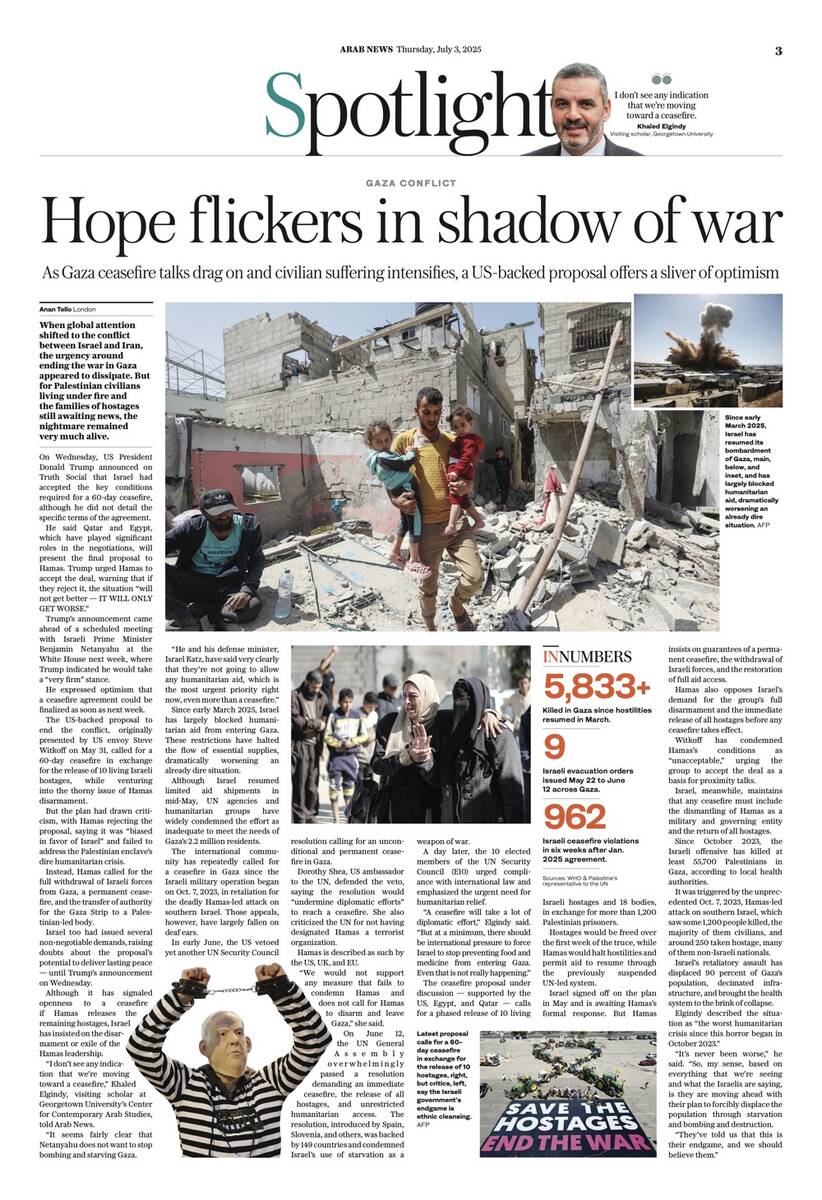
World on Edge: Today’s Headlines Demand Attention
Introduction
Okay, let’s be honest. How many times have you scrolled through the news lately and felt a knot tighten in your stomach? Between economic anxieties, political instability, and environmental woes, it’s easy to feel like the world is teetering on the edge. And frankly, in some ways, it is. But burying our heads in the sand isn’t an option. We need to understand what’s happening, why it matters, and, most importantly, what we can *actually do* about it.
This isn’t just about doom and gloom. This is about recognizing the challenges, understanding their potential impacts, and then equipping ourselves with the knowledge and tools to navigate this complex landscape. Let’s dive in.
The Headlines Screaming for Our Attention
Right now, the news cycle is dominated by a few key issues that demand our attention. Think about the rising cost of living – it’s impacting everyone from families struggling to put food on the table to businesses trying to stay afloat. Global inflation, fueled by supply chain disruptions and geopolitical tensions, is eating away at our savings and purchasing power.
Then there’s the climate crisis. Extreme weather events – devastating floods, scorching heatwaves, and raging wildfires – are becoming increasingly frequent and intense. These aren’t just abstract threats in far-off lands; they’re impacting communities right here, right now.
And let’s not forget the ongoing political polarization and social unrest. Disagreements are becoming increasingly bitter, and finding common ground feels more challenging than ever. Misinformation and distrust are rampant, eroding the very foundations of our societies.
Short-Term Pain, Long-Term Consequences
So, why should we care? Beyond the immediate anxieties these headlines trigger, there are serious short-term and long-term consequences to consider.
- Short-Term Impacts: Rising living costs lead to financial hardship, increased stress, and potentially even social unrest. Extreme weather events disrupt lives, displace communities, and strain resources. Political polarization makes it harder to address these challenges effectively, as consensus becomes elusive and progress stalls.
- Long-Term Impacts: If inflation isn’t addressed, it can lead to economic instability and long-term poverty. Unmitigated climate change could cause irreversible damage to our ecosystems, leading to food shortages, mass migrations, and widespread conflict over resources. Deepening social divisions can erode trust in institutions, destabilize democracies, and create a society where cooperation is impossible.
The stakes are high. This isn’t just about “future generations”; it’s about the world we’re creating *today* and the legacy we leave behind.
So, What Can We Do? Practical Solutions for a World on Edge
The good news is, we’re not powerless. While these problems are complex and global in scale, there are practical, applicable solutions that we can implement at individual, community, and national levels. Let’s break it down:
1. Navigating Economic Uncertainty:
- Personal Level:
- Budgeting and Financial Literacy: Understanding where your money is going is the first step to controlling it. Explore budgeting apps, online courses, or even free workshops offered by local libraries or community centers.
- Diversify Income Streams: Consider a side hustle, freelance work, or investing in skills that are in demand. This not only boosts your income but also provides a safety net if your primary source of income is affected.
- Invest Wisely: Educate yourself about different investment options and consult with a financial advisor if needed. Don’t put all your eggs in one basket.
- Community Level:
- Support Local Businesses: Investing in local businesses helps keep money circulating within the community, strengthening the local economy.
- Community Gardens and Food Banks: These initiatives can help alleviate food insecurity and provide affordable access to fresh produce.
Example: During the 2008 financial crisis, many people found solace and financial stability by starting small online businesses, selling handmade goods, or offering freelance services. This diversification not only provided income but also built resilience.
2. Addressing the Climate Crisis:
- Personal Level:
- Reduce Your Carbon Footprint: Small changes can make a big difference. Conserve energy at home, reduce your meat consumption, opt for public transport or cycling when possible, and choose sustainable products.
- Support Sustainable Businesses: Vote with your wallet by supporting companies that are committed to environmental sustainability.
- Advocate for Change: Contact your elected officials and let them know that you support policies that address climate change.
- Community Level:
- Community Composting: Reducing waste and creating nutrient-rich soil for local gardens.
- Solar Panel Cooperatives: Pooling resources to invest in renewable energy infrastructure, making it more accessible to everyone.
Example: The city of Freiburg, Germany, has become a model for sustainable urban living. They have invested heavily in renewable energy, public transportation, and green spaces, creating a vibrant and environmentally friendly city.
3. Bridging Social Divides:
- Personal Level:
- Listen Empathetically: Make an effort to understand perspectives that are different from your own. Engage in respectful dialogue, even when you disagree.
- Challenge Your Biases: We all have biases, whether we realize it or not. Be willing to examine your own beliefs and assumptions.
- Seek Out Diverse Perspectives: Read books, watch films, and listen to podcasts that expose you to different cultures, experiences, and viewpoints.
- Community Level:
- Community Forums and Town Halls: Creating spaces for people to come together and discuss important issues in a civil and constructive manner.
- Cross-Cultural Programs: Promoting understanding and empathy between different cultural groups through shared experiences and educational initiatives.
Example: The “Humans of New York” project, created by photographer Brandon Stanton, has fostered empathy and understanding by sharing the stories of diverse individuals living in New York City.
Alternative Approaches: Choosing What Works for You
The beauty of these solutions is that they’re not one-size-fits-all. You can tailor them to fit your own circumstances and preferences. If you’re not comfortable engaging in political activism, focus on reducing your carbon footprint. If you’re not financially secure enough to invest, concentrate on budgeting and financial literacy. The key is to start somewhere and make consistent efforts to create positive change.
Think of it as a buffet of options. Sample different approaches and see what resonates with you. Don’t be afraid to experiment and find what works best for your lifestyle and values.
A Spark of Optimism: Taking Action for a Better Future
Yes, the world is facing significant challenges. But within those challenges lies opportunity. Opportunity to build a more resilient economy, a more sustainable environment, and a more just and equitable society.
By staying informed, taking action, and working together, we can navigate this “world on edge” and create a brighter future for ourselves and for generations to come. Don’t underestimate the power of collective action. Every small effort contributes to a larger movement.
So, take a deep breath, choose one or two solutions that resonate with you, and start today. You might be surprised at how much of a difference you can make. The world needs your engagement, your ideas, and your commitment to building a better tomorrow. The future isn’t predetermined; it’s being written by us, right now. Let’s make sure it’s a story worth telling.