
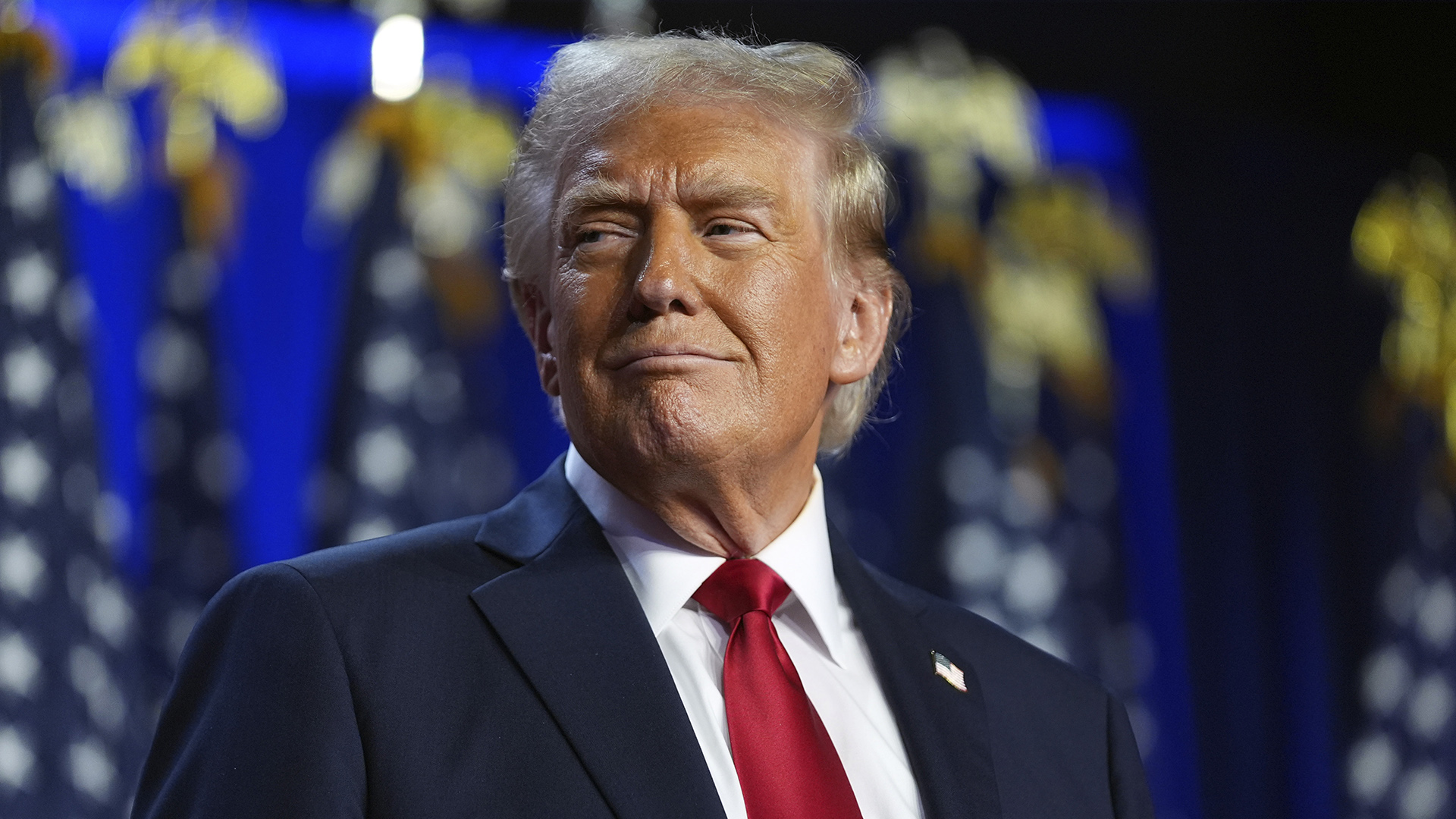
Trump’s Gambit: Chaos or Calculated Comeback?
Introduction
Okay, let’s talk about Donald Trump. Love him, hate him, or love to hate him, he’s still a force to be reckoned with. And right now, he’s playing a high-stakes game. Is it pure, unadulterated chaos, or a brilliantly (if unorthodox) planned comeback? That’s the million-dollar question, isn’t it? Forget the suits and ties for a second, and let’s dive into what’s really happening and what it means for, well, everyone.
We’ve seen the headlines, the social media storms, and the rallies. The former president remains a dominant figure in the political landscape, even out of office. But the question is, is it sustainable? Is it effective? And most importantly, what’s the end game? This isn’t just political theater; it’s a strategy with potentially profound consequences for the Republican party, the nation, and even international relations.
The Short-Term Rollercoaster: Immediate Impacts
In the short term, Trump’s tactics, whatever they may be, are undeniably effective at maintaining his visibility and influence. Think about it: every rally, every endorsement, every seemingly off-the-cuff remark dominates the news cycle. He’s a master of grabbing attention, and that’s not going to change anytime soon.
But there’s a downside. This constant barrage of attention, often fueled by controversy, can alienate moderate voters and galvanize opposition. We’ve seen it before. The 2018 midterms, for example, saw a surge in Democratic turnout, widely attributed to a backlash against Trump’s policies and rhetoric. The same risk exists now.
Moreover, Trump’s continued focus on past grievances, such as the 2020 election results, risks further dividing the country. While it resonates with a segment of his base, it can also reinforce negative perceptions and make it harder to broaden his appeal beyond his core supporters. It’s a double-edged sword – energizing some while repelling others.
Look at the recent special elections. While results are complex and influenced by many factors, they often serve as early indicators of broader trends. A strong showing for candidates aligned with Trump might signal continued strength within the Republican party, while losses could suggest a waning influence. These mini-battles are crucial for understanding the immediate impact of his strategy.
The Long Game: Lasting Consequences
The long-term implications of Trump’s actions are even more significant. His influence extends far beyond his own political ambitions. He’s shaping the future of the Republican party and potentially, the direction of American politics for years to come.
One major concern is the increasing polarization of the electorate. Trump’s rhetoric and policies have deepened existing divisions, making compromise and consensus-building more difficult. This could lead to political gridlock, making it harder to address critical issues like healthcare, climate change, and economic inequality.
Another long-term impact is the erosion of trust in institutions. Trump’s repeated attacks on the media, the judiciary, and even the electoral system have undermined public confidence in these vital pillars of democracy. This could have a chilling effect on civic engagement and participation, making it harder to govern effectively.
Furthermore, Trump’s foreign policy decisions, such as withdrawing from the Paris Agreement and the Iran nuclear deal, have damaged America’s standing in the world. Rebuilding these relationships and restoring global leadership will be a long and difficult process.
Consider the impact on future generations. The political climate shaped by Trump’s actions will influence the values and beliefs of young people, potentially leading to a more divided and polarized society. The long-term consequences of this are hard to predict, but they could be profound.
Navigating the Storm: Practical Solutions and Approaches
So, what can be done? Whether you support Trump or oppose him, it’s crucial to understand the challenges and explore potential solutions. Here are a few practical approaches:
- Promote Critical Thinking and Media Literacy: One of the most effective ways to combat misinformation and polarization is to equip people with the skills to critically evaluate information. Schools, community organizations, and media outlets can play a role in promoting media literacy and critical thinking skills. For example, news organizations can offer fact-checking services and explain their reporting process to build trust and transparency.
- Encourage Civil Discourse and Dialogue: It’s essential to create spaces for people with different perspectives to engage in respectful dialogue. This can involve hosting town hall meetings, organizing community forums, or simply encouraging open and honest conversations within families and communities. The goal is to bridge divides and find common ground, even on difficult issues. The “Better Angels” organization is a good example; they work to depolarize America through workshops and structured dialogues.
- Support Independent Journalism: A free and independent press is vital for holding power accountable and providing accurate information. Supporting independent news organizations, subscribing to local newspapers, and donating to investigative journalism initiatives can help ensure that diverse voices are heard and that important stories are told.
- Engage in Local Politics: Many of the most pressing issues facing our communities are addressed at the local level. Getting involved in local politics, whether it’s volunteering for a campaign, attending city council meetings, or running for office yourself, can make a real difference. Local action can influence broader trends and build a more engaged and informed citizenry.
- Advocate for Electoral Reform: Addressing issues like gerrymandering, voter suppression, and campaign finance reform can help create a more fair and representative political system. Supporting organizations working on these issues and contacting elected officials to voice your concerns can help bring about meaningful change.
Alternative Paths: Different Perspectives
It’s important to recognize that there are different approaches to addressing these challenges. Some believe that the best way to counter Trump’s influence is to directly challenge his policies and rhetoric. Others argue that focusing on shared values and building broader coalitions is a more effective strategy.
Ultimately, the best approach will depend on individual circumstances and values. The key is to be informed, engaged, and proactive in shaping the future of our communities and our country. Don’t be afraid to experiment and find what works best for you.
Moving Forward: A Call to Action
The political landscape is complex and ever-changing, but one thing is clear: our future depends on our willingness to engage, to learn, and to work together. Don’t let cynicism or apathy paralyze you. Instead, embrace the opportunity to make a difference.
Start small, by having a conversation with someone who holds different views. Educate yourself on the issues. Get involved in your community. Every action, no matter how small, can contribute to a more informed, engaged, and resilient democracy.
Trump’s gambit, whether it’s chaos or a calculated comeback, presents both challenges and opportunities. By understanding the short-term and long-term impacts, exploring practical solutions, and embracing a spirit of collaboration, we can navigate this turbulent time and build a better future for ourselves and for generations to come.
The future isn’t written in stone. It’s being written right now, by all of us. So, let’s get to work. The time for action is now.