
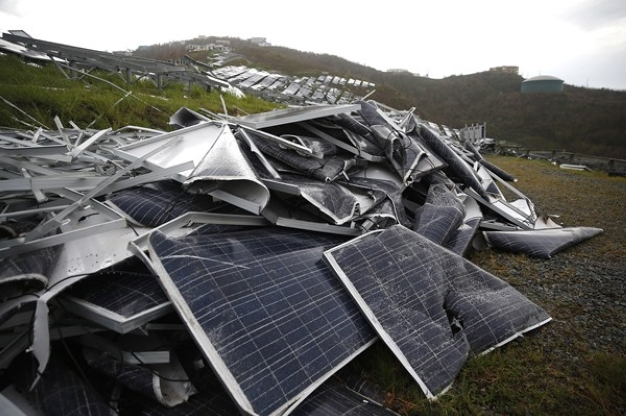
As the global shift toward renewable energy sources accelerates, solar power continues to emerge as a frontrunner in the transition to a more sustainable future. Solar panels have become increasingly common, adorning rooftops and solar farms alike. However, like all technologies, they have a limited lifespan and will eventually reach the end of their operational life. Understanding what happens when solar panels die is crucial for homeowners, businesses, and the environment.
The Lifespan of Solar Panels
Typically, solar panels have a lifespan of about 25 to 30 years, though some may last longer with proper care and maintenance. As solar technology improves, manufacturers are producing panels that can withstand harsher conditions and retain efficiency for longer periods. However, over time, factors such as environmental conditions, wear and tear, and technological advancements can contribute to a decline in efficiency and functionality.
- Efficiency Decline: Most solar panels come with performance warranties that guarantee a certain level of output for 25 years. However, as they age, their efficiency typically declines by about 0.5% to 1% per year. This means that after 25 years, a panel may only produce 75-90% of its original output, depending on its quality and usage.
- Physical Degradation: Environmental factors, such as UV exposure, extreme temperatures, hail, and other weather conditions, can cause physical degradation of the panels. Cracks, delamination, and corrosion can lead to reduced efficiency and potential failure.
Signs That Solar Panels Have Died
Homeowners and businesses can look for several signs indicating that solar panels may have reached the end of their useful life:
- Significant Power Drop: A noticeable decrease in energy production compared to previous years can indicate that solar panels are no longer functioning optimally.
- Physical Damage: Cracks, discoloration, or physical separation of components can compromise panel performance.
- Inverter Issues: The inverter is crucial for converting solar energy into usable electricity. If the inverter fails and repairs are costly, it may signal that the panels should also be replaced.
What Happens When Solar Panels Die?
When solar panels reach the end of their useful life, several options are available for their disposal, each with implications for the environment and resource management:
- Recycling: Solar panels are recyclable, and many components, such as glass, aluminum frames, and silicon, can be recovered and repurposed. Recycling helps reduce waste and extract valuable materials for use in new products. However, the recycling infrastructure for solar panels is still developing, and only a fraction of panels are currently recycled. Companies like First Solar and Recycle PV specialize in solar panel recycling, but the availability of services may vary by region.
- Landfill Disposal: Unfortunately, many solar panels still end up in landfills due to inadequate recycling facilities and lack of awareness among consumers. When solar panels are disposed of in landfills, they can contribute to environmental hazards, especially if they contain toxic materials like cadmium or lead. This has led to increased scrutiny and regulations regarding solar panel waste.
- Second Life: Some panels may still have usable life left even after their efficiency has decreased significantly. These panels can be repurposed for less demanding applications, such as powering streetlights or irrigation systems, providing a second life to otherwise discarded materials.
- Upcycling: Innovative companies and artists are finding creative ways to upcycle old solar panels, turning them into functional art or building materials. This approach not only reduces waste but also promotes sustainability and awareness of solar technology.
Regulations and Future Considerations
As the solar industry continues to grow, regulations regarding solar panel disposal and recycling are becoming increasingly important. Governments and organizations are working to develop guidelines and initiatives to ensure that solar panels are disposed of responsibly and that recycling infrastructures are put in place.
The European Union has already taken steps to address this issue by including solar panels in its Waste Electrical and Electronic Equipment (WEEE) directive, which aims to improve recycling rates for electronic products. In the United States, various states are beginning to implement similar regulations.
Conclusion
Understanding what happens when solar panels die is essential for anyone considering solar energy. As the technology advances, it is crucial to ensure that systems are in place to manage end-of-life panels responsibly. By promoting recycling and second-life options, the solar industry can continue to contribute to a sustainable future while minimizing its environmental impact.
As we embrace renewable energy solutions, stakeholders must prioritize the entire lifecycle of solar panels, from manufacturing to disposal, to create a truly sustainable energy ecosystem. Through innovation, regulation, and consumer awareness, we can ensure that the transition to solar power is beneficial not only for today’s energy needs but also for future generations.